Follow Me On Social Media!

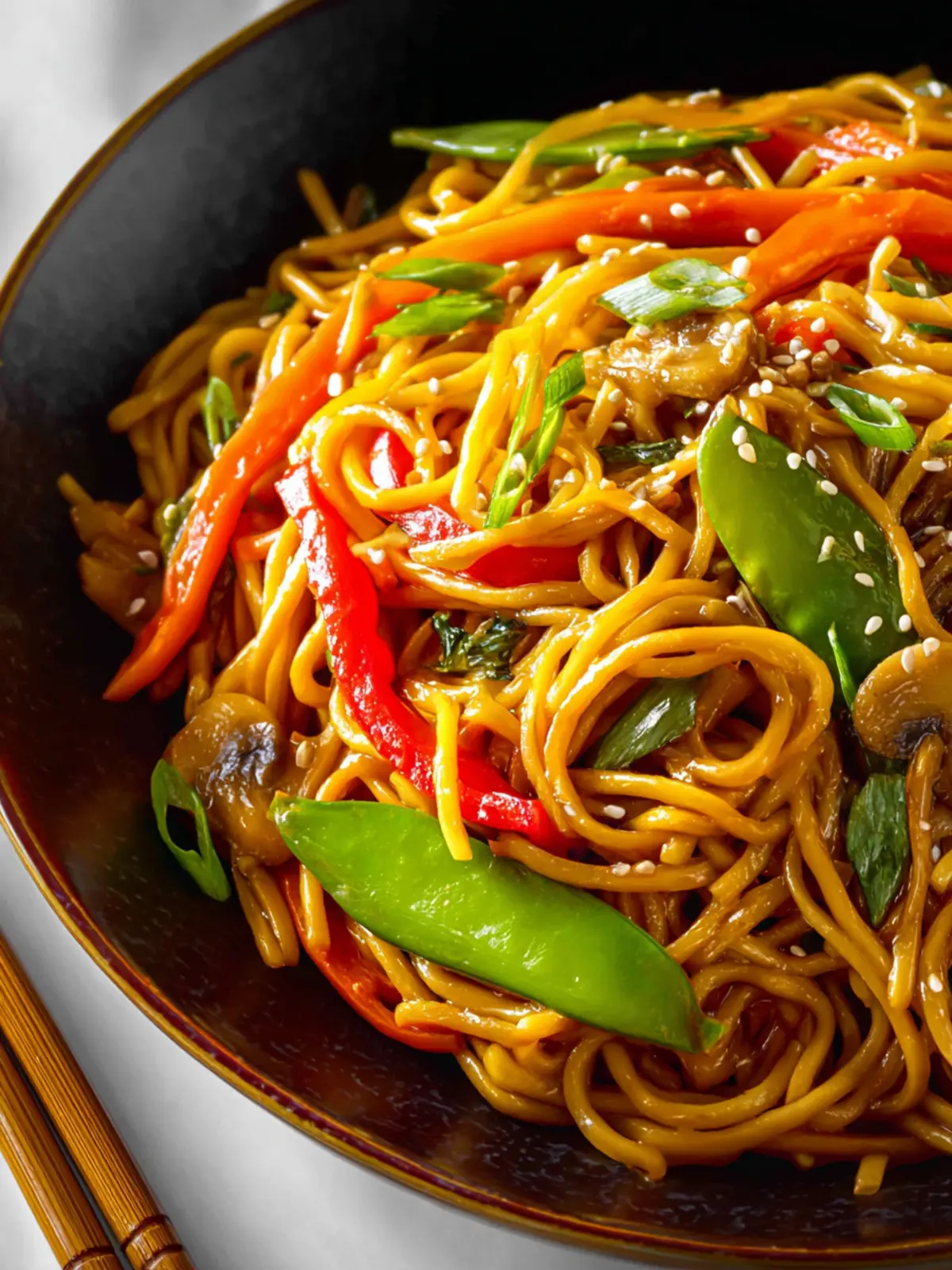
Vegetable Lo Mein: Easy, Flavor-Packed Comfort in Minutes

Introduction to Vegetable Lo Mein
Vegetable Lo Mein has a curious way of transforming a simple weeknight dinner into a flavorful escape that delights your taste buds. Picture this: after a long day at work, the thought of cooking something delicious can almost feel overwhelming, yet a bowl of vegetable lo mein offers a delightful blend of convenience and bold flavors that make those culinary dilemmas disappear. With colorful vegetables, perfectly cooked noodles, and a savory sauce, this dish allows busy professionals to whip up a restaurant-quality meal in no time.
When the clock is ticking, vegetable lo mein becomes a go-to dish for those of us who want to indulge in healthier, homemade dinners without sacrificing flavor or precious time. It often features vibrant vegetables like bell peppers, broccoli, and carrots, encased in tender egg noodles tossed in a rich soy sauce mixture. Whether you prefer a bit of spice, or a hint of sweetness, you can customize your lo mein to your liking—no more boring takeout!
What makes Vegetable Lo Mein a go-to dish for busy professionals?
Let’s face it: our schedules can be hectic. Between work commitments, social engagements, and everything in between, finding time to prepare a wholesome meal can be a challenge. This is where vegetable lo mein shines.
-
Quick to Cook: Most vegetable lo mein recipes can be prepared in under 30 minutes. In the time it takes to order takeout, you can have a vibrant and satisfying dinner on the table.
-
Healthier Option: Loaded with vegetables and low in saturated fats, making your own lo mein allows you to control what goes into your meal. You can pack in greens, experiment with flavors, and opt for whole-grain noodles if that’s your style.
-
Versatile: Leftover vegetables languishing in your fridge? Toss them into your lo mein! It’s an ideal way to reduce food waste while creating unique, delicious meals.
With this easy and accommodating recipe at your fingertips, you can create a delightful balance of taste and nutrition even on your busiest days. So roll up your sleeves and get ready to enjoy a quick culinary adventure!
Key Ingredients for Vegetable Lo Mein
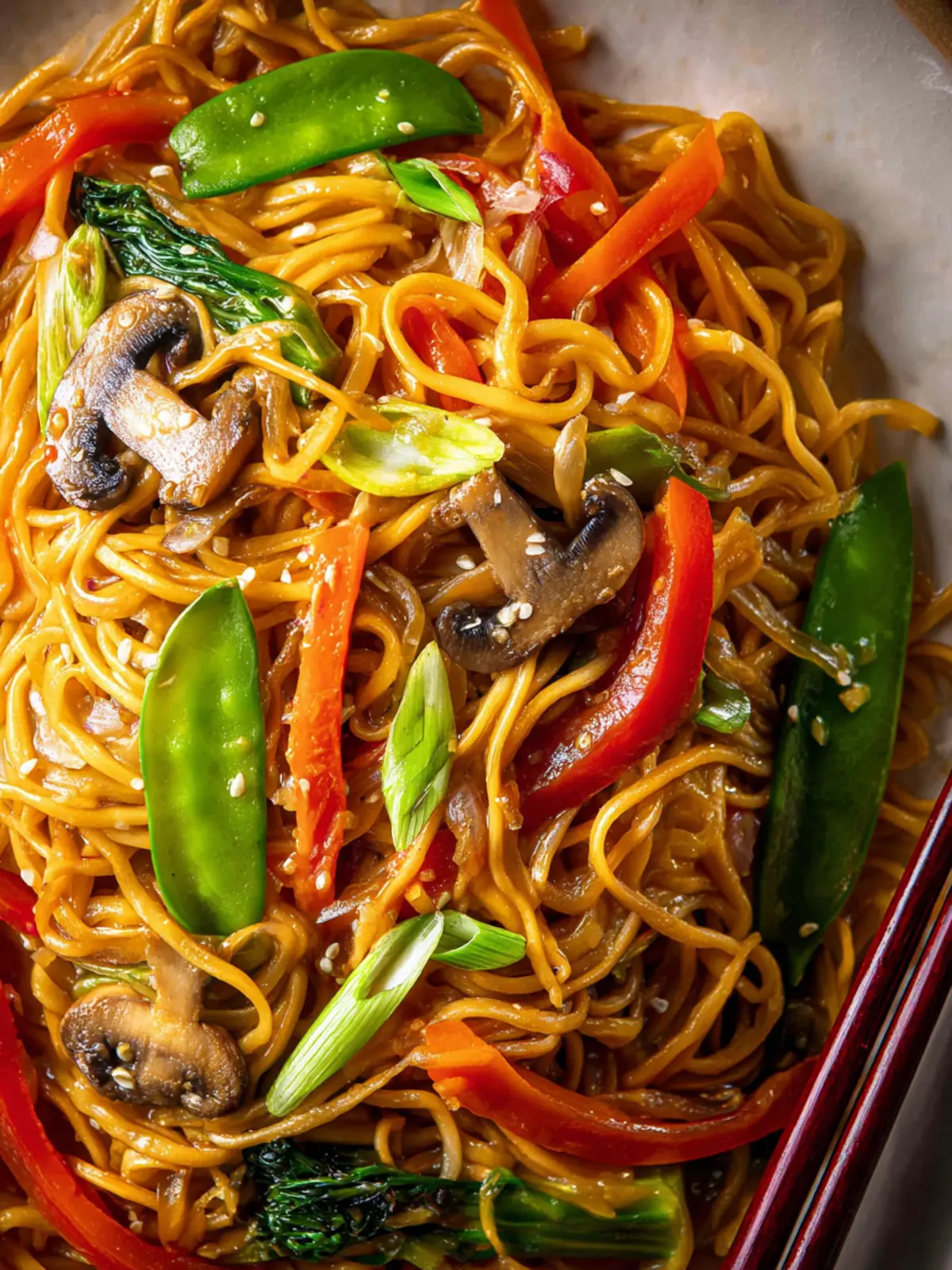
Creating a delightful bowl of Vegetable Lo Mein hinges on a few key ingredients that truly elevate the dish’s flavors. Let’s explore what makes this noodle dish so irresistible!
Lo Mein Noodles: The foundation of your Vegetable Lo Mein lies in the noodles. I prefer using fresh lo mein noodles because they’re soft and absorb the sauces beautifully. Dried noodles work too, but make sure to cook them al dente for the best texture.
Vegetables: A colorful medley of vegetables is at the heart of this recipe. I typically use bell peppers, broccoli, carrots, and snap peas. Not only do they add a vibrant color, but they create a wonderful crispness that complements the softness of the noodles.
Soy Sauce: This is where the magic happens! Using a quality soy sauce brings depth and umami to your dish. I like to combine it with a touch of sesame oil for an extra layer of flavor.
Garlic and Ginger: Freshly minced garlic and ginger infuse the dish with aromatic goodness. They enhance the overall flavor profile, making each bite a flavorful journey.
Green Onions: Finally, a sprinkle of sliced green onions not only offers a fresh crunch but also adds a pop of color right before serving.
With these essential ingredients, your Vegetable Lo Mein will not only taste amazing but also provide a satisfying meal any day of the week!
Why You’ll Love This Vegetable Lo Mein
Creating a soulful bowl of vegetable lo mein is not just about the cooking; it’s about the experience. Picture this: the enticing aroma of stir-fried veggies wafts through your kitchen, inviting you to share a meal that feels both cozy and nourishing. This recipe is a delightful combination of fresh ingredients and unforgettable flavors.
Wholesome Ingredients
-
Vegetables: Using a vibrant mix of bell peppers, broccoli, and carrots brings both color and crunch to your vegetable lo mein. The freshness of these veggies enhances the dish’s nutrition, making it a hearty choice for any meal.
-
Noodles: Opt for egg noodles or whole wheat noodles, as they soak in the flavors beautifully and provide a delightful chewiness. Consider using gluten-free noodles if needed, maintaining the dish’s essence without sacrificing taste.
-
Sauces: A blend of soy sauce and sesame oil creates the perfect umami base for our dish. The sesame oil not only adds depth but also contributes a nutty aroma that will linger in your kitchen long after cooking.
-
Seasonings: Fresh garlic and ginger are essential. They pair well with the vegetables and give your vegetable lo mein that authentic Asian flavor.
This vegetable lo mein is not just quick; it’s also a canvas for your creativity and preferences, urging you to explore different veggies and flavors every time you whip it up!
Variations of Vegetable Lo Mein
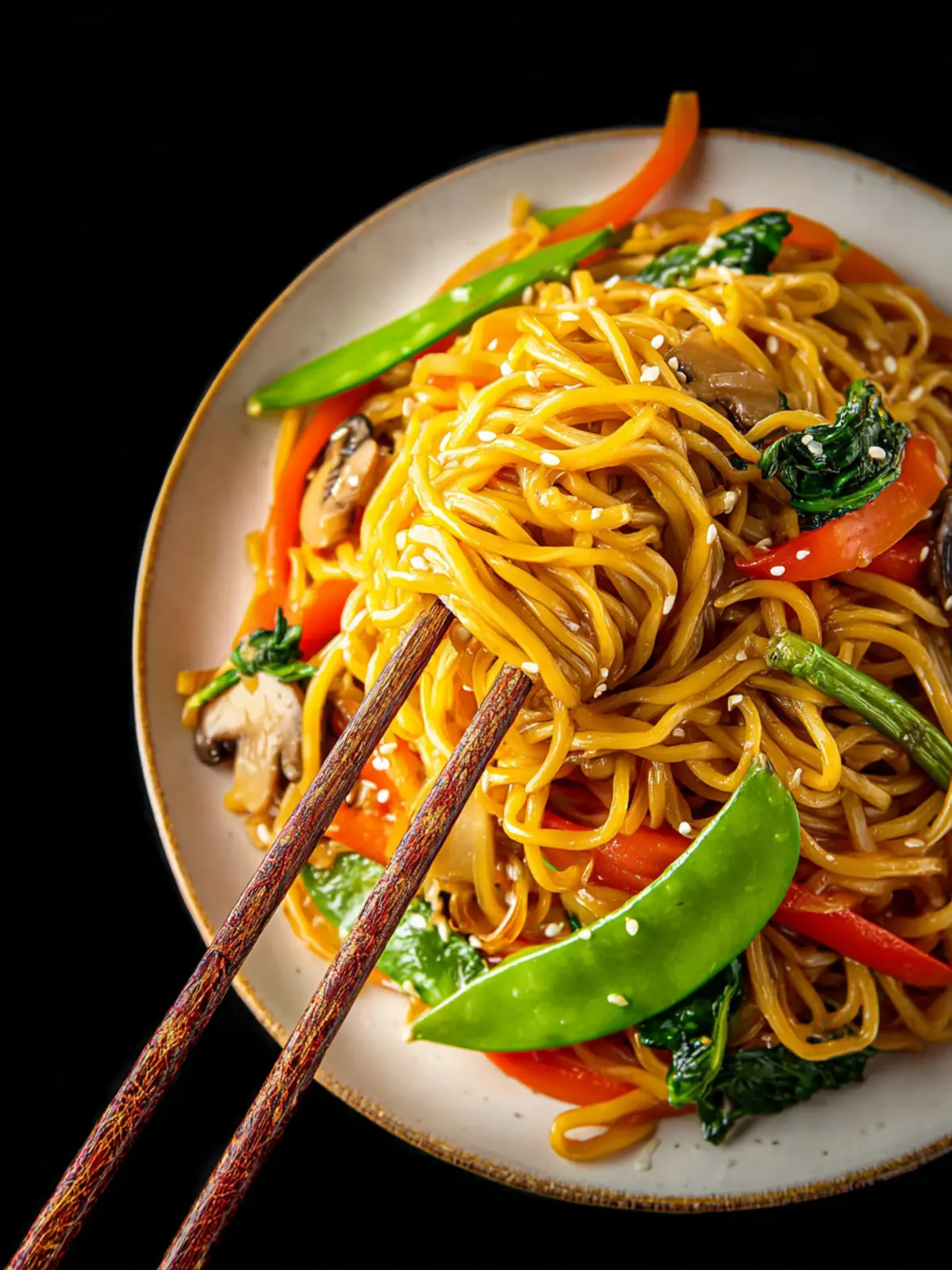
Vegetable lo mein offers a canvas for creativity and flavor exploration, welcoming an array of vegetable combinations that can transport you straight to your favorite noodle house. Imagine diving into a colorful bowl where every bite tells a delicious story, from earthy mushrooms to crisp bell peppers. Here are some variations to inspire your next culinary adventure:
Seasonal Vegetable Medley
Embrace what’s fresh! For a vibrant take, incorporate seasonal vegetables like asparagus in spring, or brussels sprouts in fall. Each season brings its own flair, allowing you to customize your vegetable lo mein throughout the year.
Kick It Up a Notch with Spicy Additions
If you enjoy a bit of heat, consider adding sliced jalapeños or chili flakes. They’ll give your dish a fiery twist that pairs beautifully with the other flavors.
Protein-Packed Versions
Want to make it more filling? Add tofu for a plant-based boost or chicken for extra protein. Both options meld well with the soy sauce and vegetables, enhancing the overall flavor profile.
Unique Sauces for a Flavor Burst
Experiment with different sauces like sesame oil or oyster sauce in lieu of—or in addition to—traditional soy sauce. This tweak can turn a familiar dish into something uniquely yours.
Each variation of vegetable lo mein not only caters to personal preferences but also showcases your cooking skills. So, let your culinary creativity flow!
Cooking Tips and Notes for Vegetable Lo Mein
Creating vegetable lo mein can be a delightful experience when you keep a few key tips in mind. Not only does it enhance the flavor, but it also helps you whip up a dish that feels both comforting and fresh.
Choosing the Right Noodles:
For the most authentic vegetable lo mein, opt for fresh egg noodles if you can find them. They have a softer texture and absorb flavors more efficiently compared to dried noodles. If fresh noodles are unavailable, whole wheat spaghetti can be a solid alternative.
Getting Creative with Vegetables:
One of the joys of making vegetable lo mein is customizing it with your favorite vegetables. Don’t hesitate to mix things up—bell peppers, broccoli, and snap peas all add great crunch and color. The only rule? Cut your vegetables uniformly to ensure even cooking.
Proper Stir-Frying Technique:
When it comes to the stir-frying process, a hot wok is crucial. This ensures that your vegetables remain crisp rather than turning soggy. Stir-fry them in batches, if needed, to maintain high heat.
Seasoning Wisely:
Soy sauce is a must, but balance it with sesame oil for a nutty flavor. A dash of chili paste can also elevate the dish, adding a hint of spice that beautifully complements the vegetables’ natural sweetness.
With these tips in mind, you’ll be well on your way to creating a delicious and satisfying vegetable lo mein that impresses your friends and satisfies your cravings!
Serving Suggestions for Vegetable Lo Mein
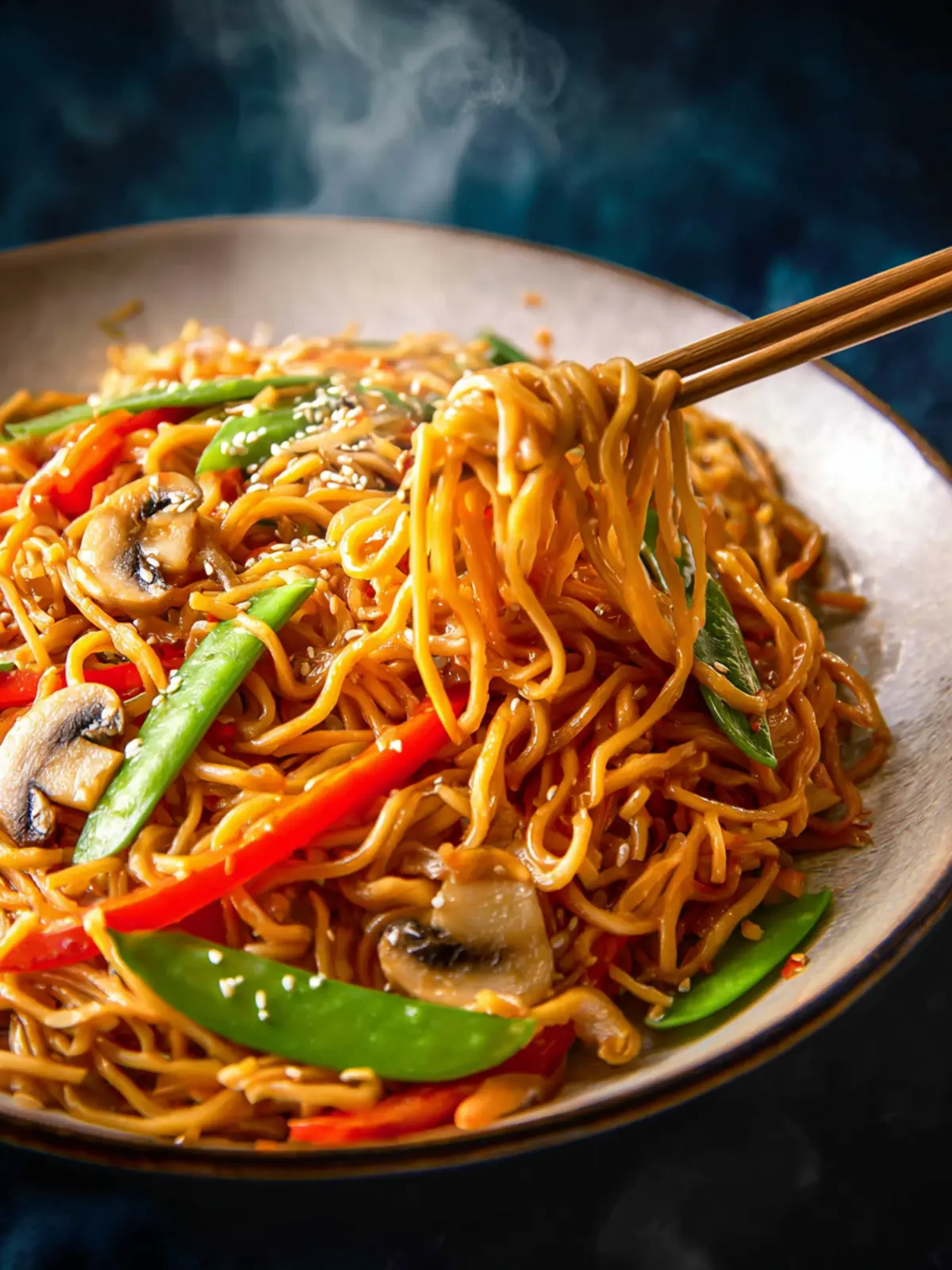
When I’m craving a comforting bowl of vegetable lo mein, I enjoy thinking outside the box for my serving options. This dish isn’t just about the noodles; it’s about elevating the experience.
-
Pair with Protein: For a heartier meal, consider adding some protein. Grilled chicken, shrimp, or tofu can complement the vibrant veggies while making your meal more satisfying.
-
Fresh Greens: Serve your vegetable lo mein with a side of steamed broccoli or bok choy. Not only do they enhance the presentation, but they also boost the nutritional value and make for a colorful plate.
-
Sauce on the Side: Having extra soy sauce or a homemade spicy sesame sauce available allows guests to customize their flavors. This small addition can really make a difference for spice lovers.
-
Garnishing Options: Don’t forget to sprinkle sesame seeds or chopped scallions on top just before serving. These simple touches can add a delightful crunch and freshness that elevates the dish.
Creatively serving your vegetable lo mein can turn a simple weeknight dinner into a vibrant culinary experience!
Time Breakdown for Vegetable Lo Mein
Creating a delicious Vegetable Lo Mein at home is not as time-consuming as you might think! With a little planning and organization, you can enjoy this comforting dish in no time.
Preparation time
Getting everything ready takes about 15 minutes. Chop up your favorite vegetables, cook the noodles, and gather the delicious sauces.
Cooking time
The actual cooking process is quick too, lasting around 10 minutes. Stir-fry the veggies, add the noodles, and let the flavors meld together.
Total time
All in all, you’re looking at a total of 25 minutes from start to finish. Perfect for a busy weeknight dinner while still being wholesome and satisfying!
Nutritional Facts for Vegetable Lo Mein
When indulging in a comforting serving of vegetable lo mein, it’s enlightening to know just how well it aligns with your nutritional goals. This delightful dish not only satisfies your cravings but also offers a well-rounded nutritional profile.
Calories
A standard serving of vegetable lo mein comes in at approximately 300-350 calories, making it a reasonable choice for a satisfying meal without feeling too heavy.
Protein
This dish typically contains around 10-15 grams of protein. While it might not have as much protein as meat-based dishes, adding tofu or edamame can easily bump up the protein content.
Sodium
Keep an eye on sodium levels, as a serving may have upwards of 800-1000 mg. You can adjust this by using less soy sauce or opting for a low-sodium version to make it heart-healthier without sacrificing flavor.
FAQs about Vegetable Lo Mein
Vegetable Lo Mein is not just a delicious dish; it’s a vibrant journey filled with textures and flavors that can brighten any mealtime. If you have questions swirling in your mind, you’re not alone! Here are some common queries answered, so you can enjoy this delightful Asian-inspired meal with ease.
Can I make Vegetable Lo Mein vegan?
Absolutely! Vegetable Lo Mein can easily be adjusted to fit a vegan lifestyle. All you need to do is substitute any animal-derived products in the recipe. For instance, replace traditional lo mein noodles with egg-free varieties. Additionally, use plant-based sauces and marinades, ensuring that they do not contain fish sauce or other non-vegan ingredients. This way, you can savor the same mouthwatering flavors while staying true to your dietary preferences.
How can I store leftovers?
Storing your Vegetable Lo Mein leftovers is straightforward. Place them in an airtight container and keep them in the refrigerator. Ideally, consume them within three to four days for the best taste and quality. When you’re ready to enjoy your meal again, simply reheat it on the stovetop or in the microwave, adding a splash of soy sauce or vegetable broth to restore the dish’s glorious moisture.
What other vegetables can I use?
One of the best things about Vegetable Lo Mein is its versatility. Feel free to experiment! Great options include:
- Bell peppers for crunch
- Broccoli for a nutrient boost
- Snap peas for added sweetness
- Carrots for color and flavor
- Mushrooms for earthiness
Mix and match according to what you have on hand or your personal taste. The possibilities are endless, so let your creativity shine!
Conclusion on Vegetable Lo Mein
In wrapping up your delightful journey with vegetable lo mein, consider this dish not just a meal, but an experience of vibrant flavors and colors. Packed with nutrients from fresh vegetables like bell peppers, broccoli, and carrots, it’s a wholesome choice for busy weeknights. The heartiness of the noodles combined with the umami of soy sauce creates a sautéed symphony that will satisfy any craving. Serving this is simple—whether you dish it out family-style or as individual plates, it’s sure to brighten your table and please every palate. Enjoy your culinary creation that reflects health and happiness!
Print
Lo Mein with Vegetables
- Total Time: 30 minutes
- Yield: 4 servings 1x
- Diet: Vegetarian
Description
A quick and flavorful lo mein dish loaded with vegetables and a savory sauce.
Ingredients
Scale
- 1 tbsp sesame oil
- 3 green onions (sliced, divided)
- 3 cloves garlic (minced)
- 8 oz. cremini mushrooms (sliced)
- 8 oz. fresh snap peas
- 1 red bell pepper (julienned)
- 1 carrot (julienned)
- 8 oz. dry lo mein egg noodles
- sesame seeds (optional, for garnish)
- 3 tbsp low-sodium soy sauce
- ½ tbsp mirin
- 1 tsp brown sugar
- 1 tsp toasted sesame oil
- ½ tsp ground ginger
- ¼ tsp crushed red pepper flakes (optional)
Instructions
- In a small bowl, whisk together the lo mein sauce ingredients and set aside.
- Heat the sesame oil in a wok or large skillet set over medium high heat. Add half of the green onions and garlic, cooking for 30 seconds until fragrant.
- Stir in the mushrooms, snap peas, bell pepper, and carrot. Cook, stirring frequently, until tender, 4-5 minutes.
- Meanwhile, in a large pot of boiling water, cook and drain the noodles according to package instructions.
- Stir in cooked noodles and sauce mixture and toss to combine. Serve immediately, garnished with remaining green onions and sesame seeds.
Notes
- For a spicier dish, add more crushed red pepper flakes.
- Make sure to cook the noodles al dente for best texture.
- Prep Time: 15 minutes
- Cook Time: 15 minutes
- Category: Main Dish
- Method: Stir-fry
- Cuisine: Asian
Nutrition
- Serving Size: 1 plate
- Calories: 350
- Sugar: 4g
- Sodium: 800mg
- Fat: 10g
- Saturated Fat: 1g
- Unsaturated Fat: 8g
- Trans Fat: 0g
- Carbohydrates: 55g
- Fiber: 4g
- Protein: 10g
- Cholesterol: 0mg