Follow Me On Social Media!

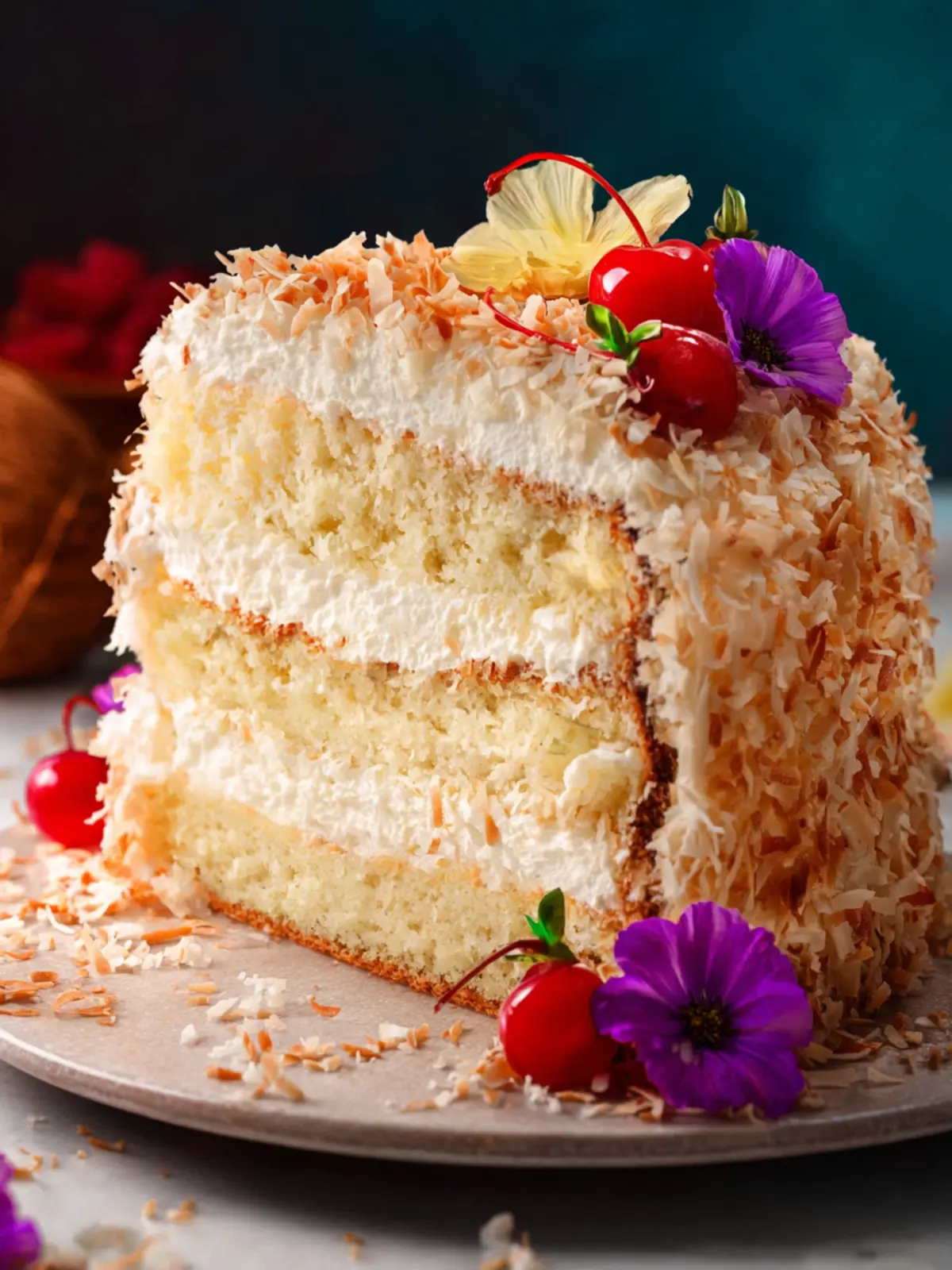
Coconut Cake Bliss: Easy, Irresistibly Moist Recipe You’ll Love

Introduction to Coconut Cake
Imagine standing in your kitchen, the comforting scent of freshly baked cake wafting through the air, as you prepare to indulge in a slice of divine coconut cake. Its rich, tropical flavor and moist texture have a way of transporting you to a sun-soaked beach, making every bite feel like a mini-vacation. This cake isn’t just a dessert; it’s a celebration, perfect for special occasions or simply a cozy evening at home.
Coconut cake has a lovely history, often associated with warm summers and festive gatherings. Originating in the southern United States, this delightful treat combines a tender cake base with light, fluffy frosting and shredded coconut for that characteristic chew. What makes it so special is its unique interplay of flavors—sweet coconut harmonizing beautifully with the buttery cake, complemented by a hint of vanilla.
When you take the plunge into baking your own coconut cake, you can play with textures and flavors to suit your preferences. The versatility in how you can serve it means that this dessert can fit any occasion, from elaborate dinner parties to casual brunches with friends. And let’s not forget how striking it looks! Topped with a generous layer of coconut frosting and adorned with toasted coconut flakes, it presents beautifully on any table.
Whether you’re a seasoned baker or just getting your feet wet in the kitchen, making coconut cake can be a rewarding experience. The joy of creating something from scratch and the anticipation of tasting it make the process enjoyable and fulfilling. Plus, sharing slices with friends and family is one of the best parts of baking.
So, let’s dive into the delightful world of coconut cake, where flavor and nostalgia collide, and every bite leaves you longing for more.
What Makes Coconut Cake So Irresistible?
The sheer appeal of coconut cake can be attributed to its unique combination of moisture, flavor, and texture. Each component plays a crucial role in creating a harmonious dessert that captivates the senses:
- Moisture: The use of coconut milk or cream adds unmatched moisture, ensuring each slice is tender and soft.
- Flavor: The sweetness of coconut pairs wonderfully with a hint of vanilla, creating a luxurious taste experience.
- Texture: Shredded coconut lends a delightful chewiness, making each bite interesting and satisfying.
These elements come together to create a cake that is not just good, but extraordinary.
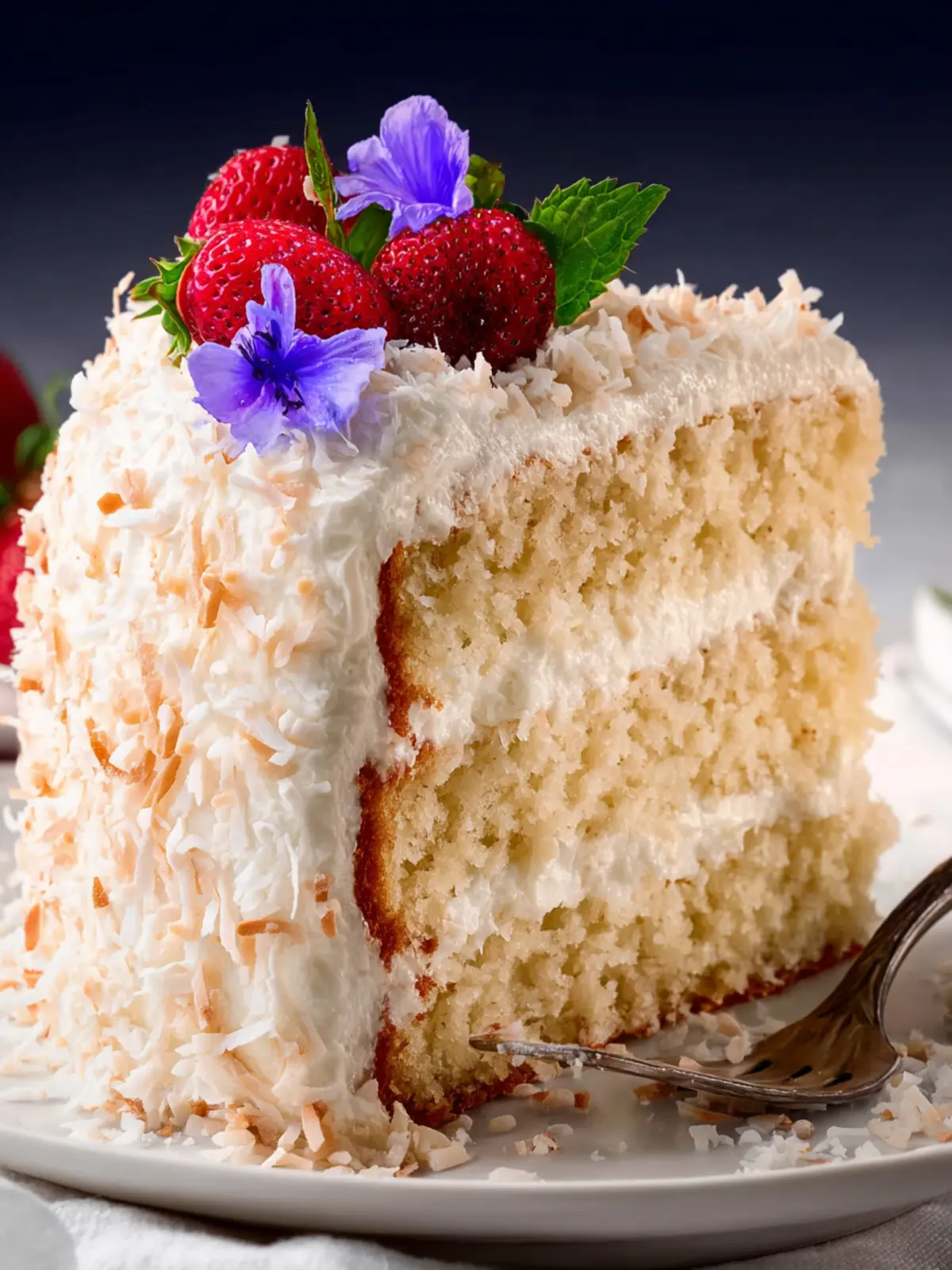
Key Ingredients for Coconut Cake
Creating the perfect coconut cake is like crafting a little slice of tropical paradise on your plate. Each ingredient plays a vital role in achieving that moist, flavorful result that makes everyone reach for seconds. Here’s a closer look at what you’ll need:
-
Coconut: The star of the show! I recommend using unsweetened shredded coconut for a bold flavor. It’s less sugary than the sweetened version, allowing the cake’s natural sweetness to shine.
-
Butter: I always opt for unsalted butter. It adds richness and flavor to the batter. Making sure it’s at room temperature ensures easier creaming with sugar, creating that fluffy cake texture we crave.
-
Sugar: Granulated sugar is a must for that sweet balance. It helps the cake rise while keeping it moist and tender.
-
Eggs: Using large eggs is essential for binding the ingredients and adding moisture. For a lighter texture, I often separate the whites and beat them until fluffy before folding in at the end.
-
Baking Powder: This leavening agent is key for helping our coconut cake rise.
-
Flour: All-purpose flour works perfectly, providing structure without being too dense.
-
Coconut Milk: To enhance the coconut flavor and give the cake a luscious texture, using full-fat coconut milk is a game changer.
Incorporating these ingredients thoughtfully transforms a few simple components into a delightful delicacy that invites you to savor every bite.
Why You’ll Love This Coconut Cake
Everyone needs a treat that brings a taste of paradise to their kitchen, and this coconut cake is that exact escape. Imagine sinking your fork into a slice of fluffy, moist goodness, each bite bursting with the tropical flavors of coconut. It’s the kind of cake that transports you to a sun-soaked beach, making it perfect for any occasion.
The beauty of this coconut cake lies not just in its dreamy flavor, but also in its simplicity. The combination of fresh coconut and creamy frosting creates a delightful contrast, while the tender cake ensures that it virtually melts in your mouth. Many bakers are surprised to find how easy it is to whip up this masterpiece—showcasing that elegance doesn’t have to be complex.
Here are a few reasons you’ll adore making this cake:
- Versatile: Perfect for birthdays, holidays, or just a regular Tuesday treat.
- Deliciously Light: The airy texture makes it a refreshing dessert, even after a hearty meal.
- Impressive Presentation: With its lush coconut flakes and fluffy frosting, it’s sure to wow your guests.
Baking this cake is not just a task; it’s an experience. Trust me, once you’ve made this tropical delight, you’ll be in love with every slice.
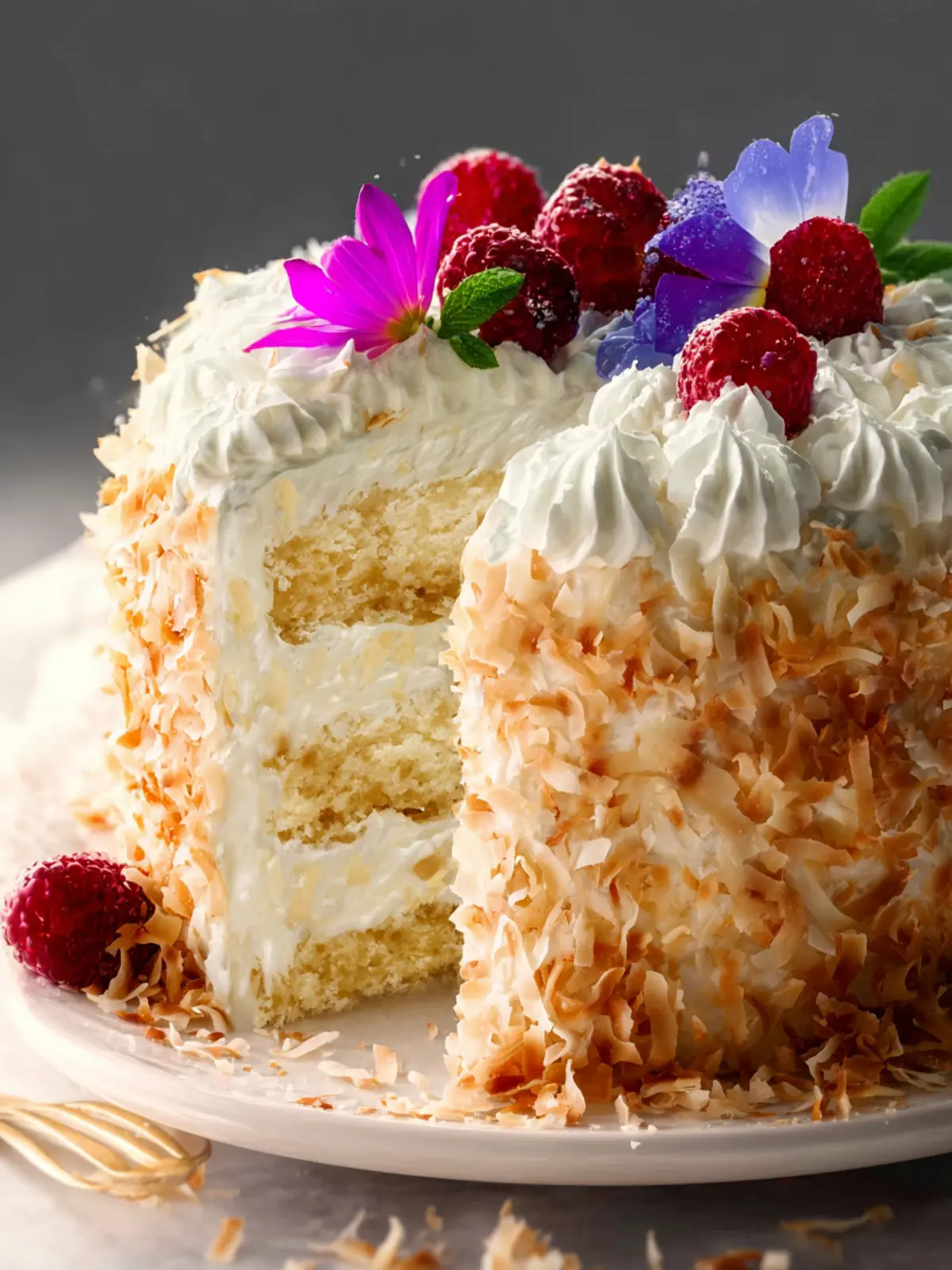
Tips for Making the Best Coconut Cake
Creating the perfect coconut cake is not just about following a recipe; it’s an art form that combines quality ingredients, attention to detail, and a dash of love. Here are some tips to elevate your coconut cake to a tropical paradise level.
Use Fresh Ingredients
- Coconut: Opt for freshly grated coconut if you can. It’s more flavorful and adds a delightful texture. Dried coconut works well too, but soak it in warm water for a bit to revive some moisture.
- Butter: The flavor of butter is crucial, so choose good quality unsalted butter for the best taste. It enhances the richness of the cake and ensures it stays tender.
Pay Attention to Texture
- Eggs: For an airy cake, ensure your eggs are at room temperature. This helps in emulsifying well with the butter, creating a lighter batter.
- Flour: Sifting your all-purpose flour not only removes lumps, but it also aerates the flour, contributing to a fluffier cake.
Don’t Rush the Baking Process
- Baking Time: Keep an eye on your cake during baking. Every oven is different, and testing for doneness with a toothpick ensures you don’t end up with a soggy center or a dry exterior.
- Cooling: Allow your coconut cake to cool completely before frosting. This prevents the frosting from melting and helps maintain that perfect, beautiful finish.
With these tips, your journey to making a heavenly coconut cake will be seamless and satisfying. Happy baking!
Time Breakdown for Coconut Cake
Crafting the perfect coconut cake can be a delightful journey that adds a touch of tropical bliss to your day. Here’s how to manage your time effectively through the various stages of this scrumptious cake-making adventure.
Preparation Time
Expect to spend about 20 minutes gathering and measuring your ingredients, mixing the batter, and preparing your baking pans. This is the time to embrace the joy of creating — don’t rush!
Baking Time
Once your cake batter is ready, pop it in the oven! The baking process takes around 30-35 minutes. The aroma of coconut will fill your kitchen, tempting your taste buds as you wait.
Total Time
By the time you account for preparation and baking, your total time spent on creating this delicious coconut cake will be approximately 50-55 minutes. That’s a small price to pay for a slice of paradise!
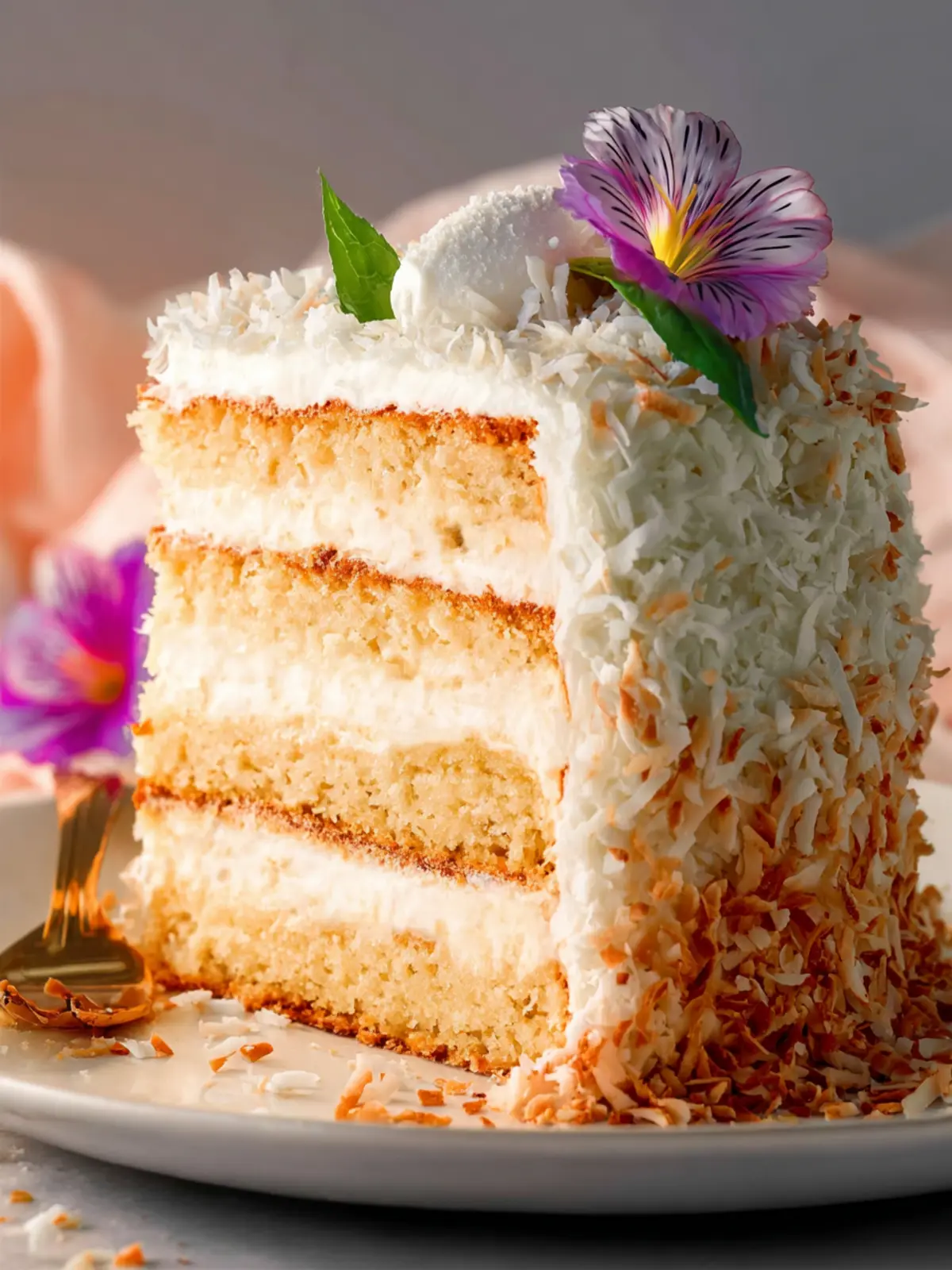
Nutritional Information for Coconut Cake
When savored in a sunlit garden, the coconut cake transforms an ordinary gathering into an extraordinary celebration. As you delight in each fluffy bite, it’s essential to consider what’s on your plate. Understanding the nutritional elements can help you enjoy this treat mindfully without compromising your health goals.
Calories
A standard slice of coconut cake typically contains around 350 calories. This makes it a delightful indulgence, balancing just the right sweetness with that tropical creaminess.
Protein
In terms of protein, a slice offers about 4 grams. While it’s not a high-protein dessert, it does contain some from the eggs and coconut, giving you a bit of an energy boost.
Sugar
As for sugar content, expect around 30 grams per slice. This sweetness is what makes coconut cake so irresistible, capturing the essence of coconut bliss with every forkful. Just remember, moderation is key!
FAQs About Coconut Cake
Coconut cake is a delightful treat that brings a taste of the tropics to any gathering. If you’ve just baked your first coconut cake or are thinking about making one, you might have some questions. Let’s dive into some of the most common inquiries about this delicious dessert!
How do I store leftover coconut cake?
To keep your coconut cake fresh, store any leftovers in an airtight container at room temperature for up to three days. If you anticipate that it won’t be consumed within that time, it’s best to refrigerate it. Just make sure to wrap it tightly in plastic wrap to maintain its moisture and flavor. For longer storage, you can freeze slices of the cake in plastic wrap and a freezer-safe container for up to three months.
Can I use fresh coconut instead of shredded?
Absolutely! Fresh coconut can provide a richer flavor and texture to your coconut cake. If you decide to use fresh coconut, be sure to finely grate it to resemble shredded coconut. Keep in mind that fresh coconut may hold more moisture than the pre-packaged shredded version, so you may want to adjust your batter consistency slightly.
What are some common frosting alternatives for coconut cake?
While traditional coconut cake is often topped with cream cheese frosting or a classic buttercream, you can get creative with various alternatives. Consider using whipped cream for a lighter option or a coconut-flavored ganache for a decadent twist. For a fruity flair, a pineapple frosting can beautifully complement the coconut flavors, adding a zesty kick to each bite.
With these tips, you’re well on your way to mastering the art of coconut cake. Enjoy baking!
Conclusion on Coconut Cake
In the world of desserts, nothing quite brings a touch of tropical bliss like coconut cake. This cake is not just a treat but a delightful experience that can transport you straight to a sun-kissed beach. The moist layers infused with rich coconut flavor and frosted with creamy coconut icing create a perfect harmony.
Whether you’re celebrating a special occasion or simply indulging on a casual day, this coconut cake recipe is sure to impress friends and family alike. So, gather your ingredients and get baking—your taste buds will thank you for it! Embrace the joy of making this cake, and let it add a splash of sweetness to your life.
Print
Coconut Cake
- Total Time: 1 hour 30 minutes
- Yield: 12 servings 1x
- Diet: Vegetarian
Description
A delicious coconut cake that is perfect for any celebration.
Ingredients
Scale
- 1/2 cup cream of coconut
- 1/2 cup water
- 12 TBS unsalted butter, (room temperature)
- 1 1/4 cups granulated sugar
- 5 egg whites
- 1/2 cup sour cream, (room temperature)
- 2 teaspoons vanilla extract
- 1 1/2 teaspoons coconut extract
- 2 1/2 cups (285g) all purpose flour (fluffed, spooned & leveled)
- 2 teaspoons baking powder
- 1/2 teaspoon baking soda
- 1 teaspoon salt
- 1 3/4 cups sweetened shredded coconut
- 5 cups powdered sugar
- 16 ounces full-fat brick cream cheese, (room temperature)
- 2 tablespoons cream of coconut
- 1/2 teaspoon vanilla extract
- 1/4 teaspoon coconut extract
- Pinch of salt
Instructions
- Preheat the oven to 350°F. Line three 8-inch cake pans with parchment paper and lightly grease with nonstick cooking spray.
- Whisk the cream of coconut and water together in a microwave-safe measuring cup. Microwave for 15-20 seconds to bring to room temperature. Set aside.
- Whisk together the dry ingredients in a medium bowl and set aside.
- Using a stand mixer, beat the butter and sugar on medium-high for 2-3 minutes until light and fluffy.
- Switch to the whisk attachment and beat in the egg whites until combined. Add the sour cream, vanilla, and coconut extract, beating until combined.
- With the mixer on low, add the dry ingredients alternating with the coconut/water mixture. Beat until just combined, then finish mixing by hand.
- Divide the batter among the prepared pans and tap to remove air bubbles.
- Bake for 21-24 minutes or until a toothpick comes out clean. Cool for 1 hour in the pans before transferring to a cooling rack.
- While cooling, toast the shredded coconut on a baking sheet for 5-7 minutes.
- For frosting, beat the butter and sugar on low for 1 minute, then on medium-high for 2 minutes. Add cream cheese gradually.
- Beat in cream of coconut, extracts, and salt. Adjust consistency with more powdered sugar if needed.
- Level cooled cakes and layer with frosting between each layer.
- Spread remaining frosting over the top and sides of the cake, then press toasted coconut onto the frosting.
- Refrigerate for 30 minutes before slicing for cleaner cuts.
Notes
- This method makes the frosting thicker and more stable.
- For the cake layers to bake evenly, ensure they are of equal weight when pouring into the pans.
- Prep Time: 30 minutes
- Cook Time: 24 minutes
- Category: Dessert
- Method: Baking
- Cuisine: American
Nutrition
- Serving Size: 1 slice
- Calories: 500
- Sugar: 40g
- Sodium: 200mg
- Fat: 25g
- Saturated Fat: 15g
- Unsaturated Fat: 8g
- Trans Fat: 0g
- Carbohydrates: 60g
- Fiber: 2g
- Protein: 6g
- Cholesterol: 90mg