Follow Me On Social Media!

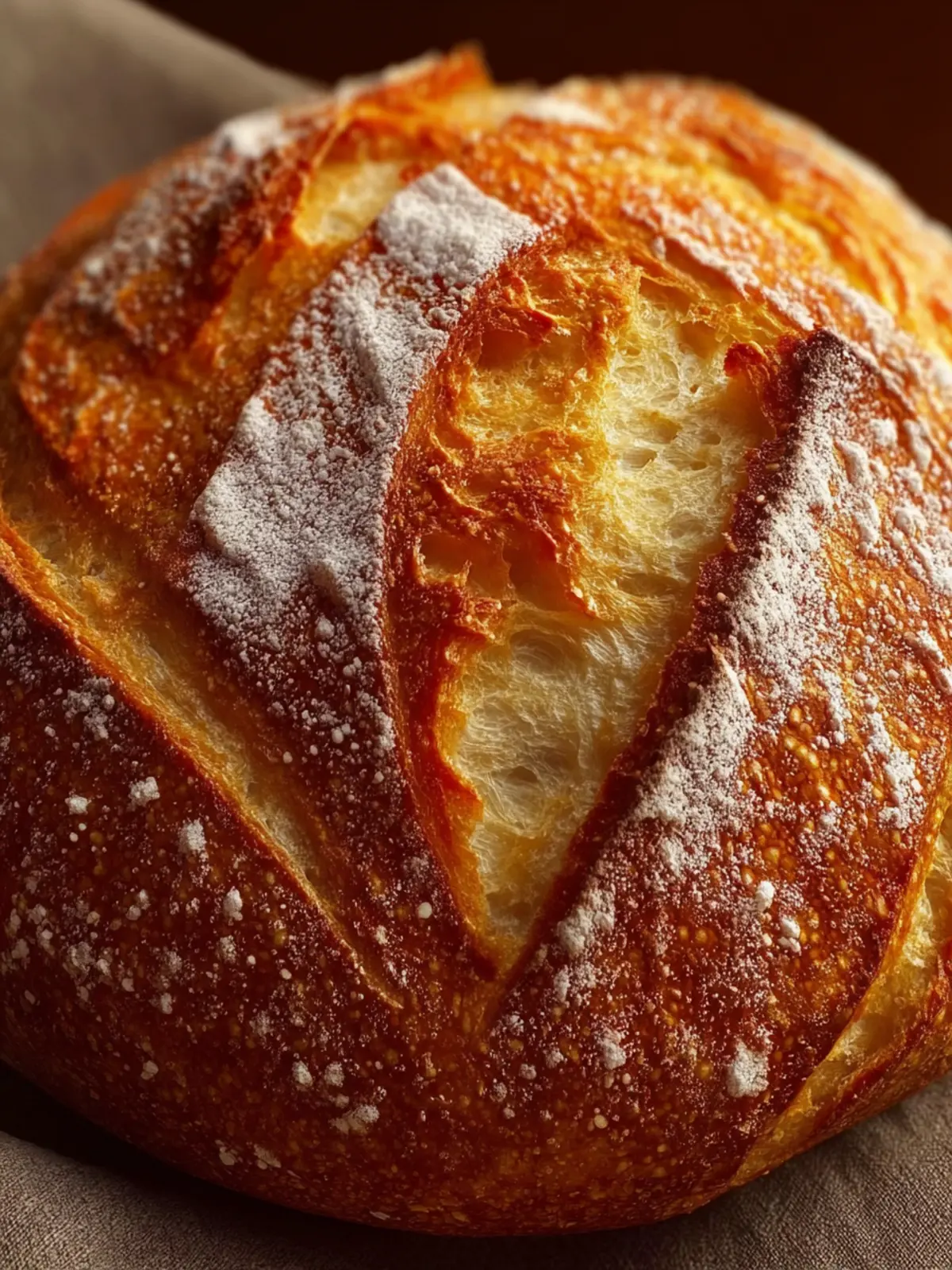
Sourdough Bread Yeast: The Best Way to Master Homemade Loaves

Introduction to Sourdough Bread Yeast
The art of making sourdough bread yeast is a journey steeped in tradition and science, one that transforms simple ingredients into a delightful loaf with a distinctly tangy flavor. Unlike typical yeast-leavened breads, sourdough relies on the natural fermentation of wild yeast and bacteria present in your environment, which adds character and depth to each slice.
What makes sourdough bread special?
Sourdough bread is unique for several reasons:
-
Flavor Complexity: The natural fermentation process creates lactic acid which contributes to its signature sour taste. Different environments yield varying flavors; a loaf made in one home might taste entirely different in another.
-
Texture: The slow fermentation not only enhances flavor but also results in a chewy crust and a moist, airy interior, thanks to the science of gluten development over time.
-
Health Benefits: The longer fermentation helps break down gluten and phytic acid, potentially making the bread easier to digest for some. The presence of beneficial bacteria may also contribute to gut health.
-
Tradition: Making sourdough often feels like a rite of passage. It can connect you to generations of bakers and even allow you to cultivate your own unique starter, combining your environment with your baking skills.
To create a successful loaf of sourdough, you’ll need to nurture your sourdough bread yeast starter. This is the magical blend of flour and water that ferments to produce the wild yeast and bacteria needed for leavening. Remember, sourdough needs patience; allowing it to rise slowly will develop its flavor beautifully.
In this recipe, you’ll discover the step-by-step process to create not just any bread, but a loaf that boasts the flavorful profiles of your own personal baking adventures. Whether you’re a novice or a seasoned baker, mastering sourdough bread yeast can open up a world of delicious possibilities in your kitchen!
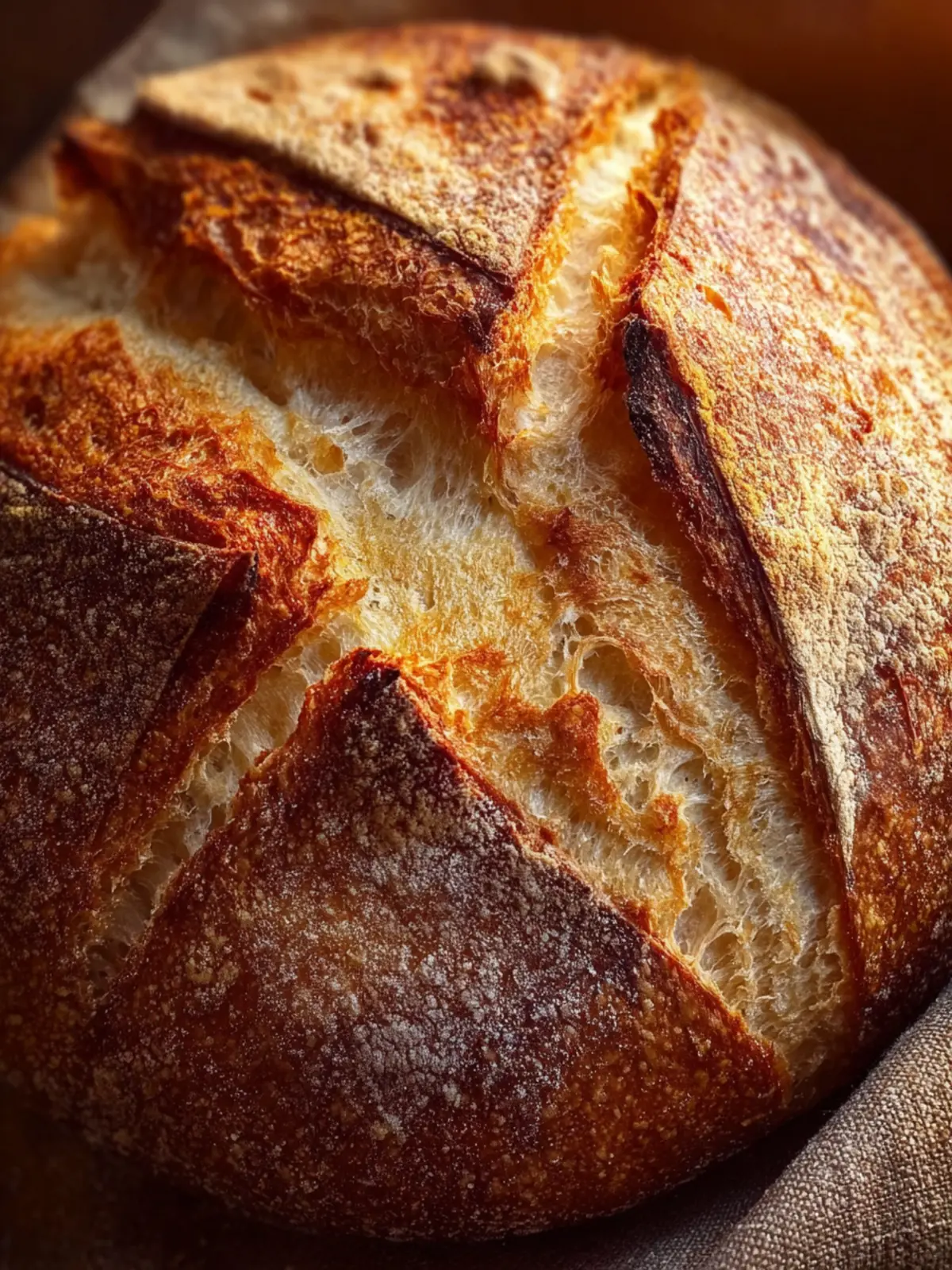
Key Ingredients for Sourdough Bread Yeast
Creating sourdough bread yeast is an art that marries simplicity with a deep-rooted tradition, crafting flavors that connect us to our culinary heritage. Understanding the core ingredients is crucial for making that perfect loaf, so let’s walk through each component.
-
Flour: Use high-quality bread flour, which has a higher protein content than all-purpose flour. This helps develop gluten for that desirable chewy texture. Whole wheat flour can be included for added depth of flavor.
-
Water: Room temperature water is best, as it aids in activating the natural yeast present in the flour. If possible, use filtered water to avoid any chemicals that might hinder yeast growth.
-
Salt: I recommend using kosher or sea salt. Salt not only enhances flavor but also strengthens gluten structure in dough. It balances the fermentation process, ensuring a healthy rise without overpowering the sourdough’s natural taste.
-
Wild Yeast Starter: This is the heart of your sourdough bread yeast. Creating a starter from just flour and water allows wild yeasts and bacteria to flourish. Feed it regularly for robust fermentation and flavor.
These ingredients come together to create a beautifully textured and flavorful sourdough loaf—simple yet packed with history and character.
Why You’ll Love This Recipe
When you embrace the art of making sourdough bread yeast, a world of flavors and textures unfolds right in your kitchen. Picture this: You’re just a few simple steps away from creating a rustic loaf that fills your home with an irresistible aroma. Unlike store-bought bread, this recipe brings a real depth of flavor that can only be achieved through the natural fermentation process of sourdough.
Here’s why you’ll love diving into this experience:
-
Flavor Development: The sourdough bread yeast creates a complex taste that evolves beautifully over time. Each loaf reflects the unique character of your environment, resulting in a personalized taste.
-
Artisan Quality: With each knead and fold, you’ll feel like a true artisan baker. The satisfaction derived from lifting a golden-brown loaf from the oven is unparalleled!
-
Health Benefits: Sourdough has been praised for its digestibility. The fermentation process breaks down gluten, making it easier on your gut while allowing you to savor every bite without guilt.
-
Community Building: Sharing your homemade sourdough with friends or neighbors can spark conversations and foster connections. Who knew bread could play such a big role in bringing people together?
In essence, the allure of sourdough bread yeast goes beyond just taste; it’s a journey filled with fresh ingredients and warm moments that make every bite worthwhile. Don’t miss out on crafting your own delicious masterpiece!
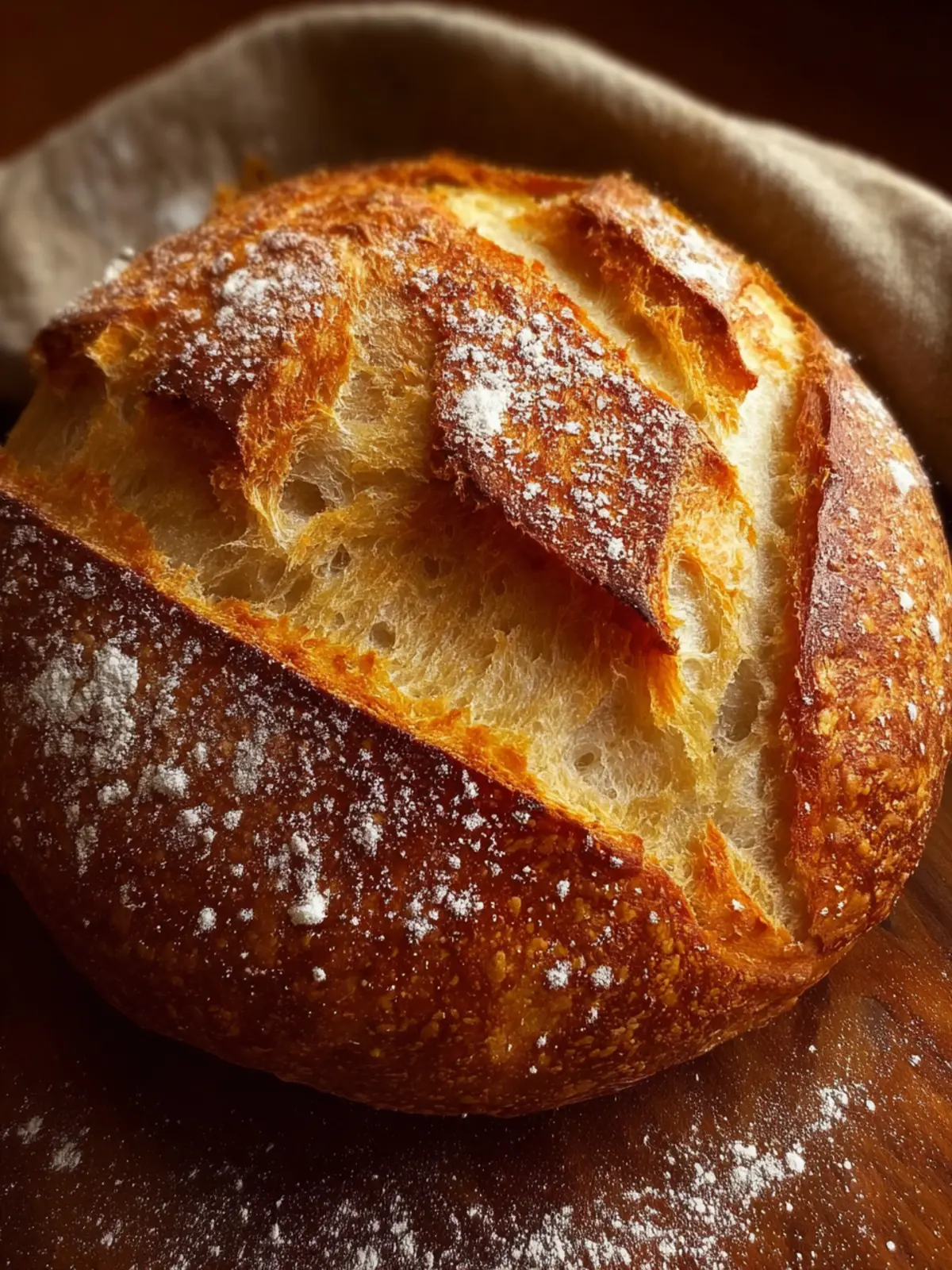
Variations of Sourdough Bread
Creating a beautiful loaf of sourdough bread yeast is just the beginning; there’s a whole world of delicious variations waiting for you to explore. Each variation offers a unique twist that can elevate your baking game. Let’s take a closer look at a few fun options that will have your friends and family coming back for more.
Herb-Infused Sourdough
Adding fresh herbs such as rosemary, thyme, or basil can bring an incredible aroma and flavor to your bread. Simply chop a handful of your favorite herbs and fold them into the dough during the final stretch and fold. The result is a fragrant loaf that pairs perfectly with soups or salads.
Sourdough with Nuts and Seeds
For those who appreciate a hearty texture, incorporating nuts and seeds like walnuts, sunflower seeds, or flaxseeds adds a delightful crunch. Toss in a half cup of your chosen mix during the bulk fermentation phase to give your bread a nutritious boost.
Fruit-Enhanced Sourdough
Want to put a sweet twist on your sourdough bread yeast experience? Dried fruits like raisins, cranberries, or apricots create a subtly sweet burst of flavor. Mix in about a cup of your favorite dried fruit when you shape the dough.
Whole Wheat Sourdough
For a more wholesome option, substitute part of your all-purpose flour with whole wheat flour. It not only adds depth in flavor but also increases the bread’s fiber content. Aim for a 50:50 ratio for balanced results without compromising the texture.
Experimenting with these variations can make each batch a delightful surprise. What will you try next?
Cooking Tips and Notes for Perfect Sourdough Bread
Creating the perfect sourdough bread is an exciting journey that combines art and science, especially when you introduce sourdough bread yeast into the mix. It’s like cultivating a living thing; the more you nurture it, the better it becomes. Here are some tips to help you achieve that crusty outer layer and soft, flavorful interior.
Start with Quality Ingredients
- Flour: Choose a high-protein bread flour for the best gluten development. This will yield that desirable structure and chewiness.
- Water: Use filtered or dechlorinated water; the chlorine in tap water can inhibit the fermentation process.
- Sourdough Starter: Make sure your sourdough bread yeast is active and bubbly. Feed it at least 4-6 hours before you plan to bake.
The Power of Timing
- Autolyse: Allow the flour and water to rest for at least 30 minutes before adding salt and starter. This improves dough elasticity.
- Bulk Fermentation: Be patient. Allow time for your dough to double in size. Temperature impacts fermentation, so a warm spot will speed things along.
Shape and Bake
- Shaping: Practice the art of shaping your dough. A well-shaped loaf retains its structure during baking.
- Steam: Create a steam environment in your oven to achieve that bakery-style crust. You can use a Dutch oven or add water to a hot pan.
By exploring these tips, you’ll not only enhance your skills but also deepen your appreciation for this ancient bread-making tradition. Happy baking!
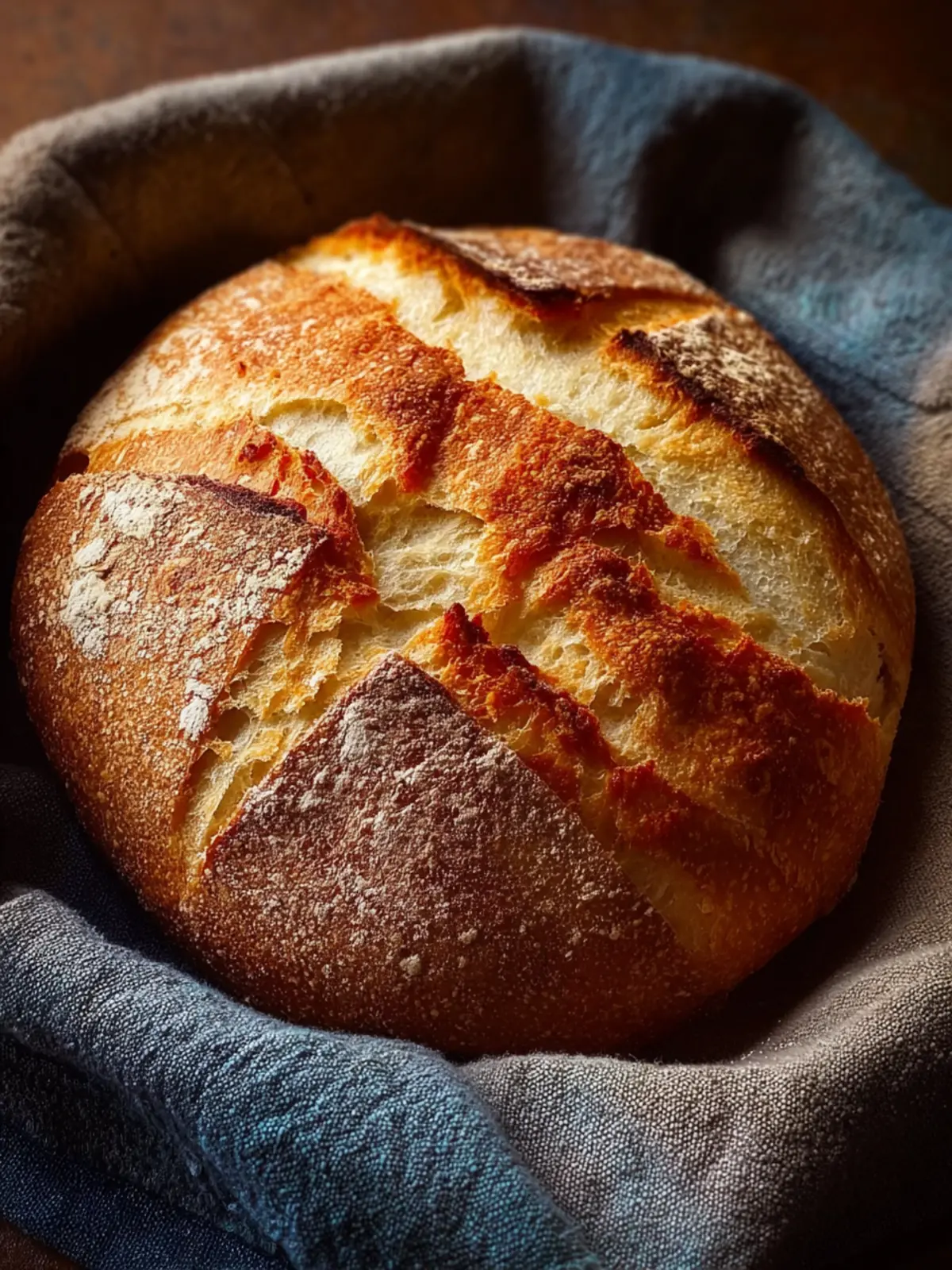
Serving Suggestions for Sourdough Bread
When you’ve mastered the art of using sourdough bread yeast, the possibilities for serving your freshly baked bread are truly exciting. Imagine tearing off a warm chunk of crusty sourdough and pairing it with a variety of delicious accompaniments. Here are some suggestions that elevate your sourdough experience:
-
Classic Avocado Toast: Spread ripe avocado on a slice of toasted sourdough, season with salt, pepper, and a drizzle of olive oil. For a twist, add red pepper flakes or a poached egg on top.
-
Savory Sandwiches: Use sourdough as the foundation for your favorite sandwiches. Think turkey and Swiss, prosciutto with arugula, or even a classic grilled cheese, where that crispy crust really shines.
-
Soup Companion: Serve slices alongside a steaming bowl of tomato basil or creamy mushroom soup. The tangy flavor of the sourdough complements the richness of the soup perfectly.
-
Cheese Board Highlight: Create a charcuterie platter featuring your sourdough, a selection of cheeses, cured meats, olives, and nuts. The chewy, warm bread acts as the ideal vehicle for all these flavors.
-
French Toast Delight: Slice day-old sourdough and soak it in an egg mixture to make thick, decadent French toast. Top it with fresh berries and maple syrup for a brunch treat.
Each suggestion not only highlights the unique flavors of sourdough bread but also invites the joy of creativity in the kitchen.
Time Breakdown for Sourdough Bread
When exploring the art of making sourdough bread yeast recipes, tracking time is essential for achieving that perfect loaf. Here’s a friendly breakdown to help you plan your baking day.
Preparation Time
Start your journey with about 30 minutes of preparation. This includes mixing your ingredients and hydrating your sourdough starter to give it a kickstart.
Rise Time
The rise time is where the magic happens! Allow the dough to rise for approximately 4 to 6 hours, depending on room temperature. This long fermentation develops that beautiful flavor and texture you crave.
Baking Time
After rising, preheat your oven and bake your sourdough for 30 to 40 minutes. You’ll know it’s done when it boasts a gorgeous golden crust.
Total Time
In total, you’re looking at around 5 to 7 hours, including preparation and baking. Just think of that delicious smell filling your kitchen as you patiently wait!
Nutritional Facts for Sourdough Bread
When you’re making sourdough bread yeast, you’re not just creating something delicious; you’re also crafting a loaf that’s packed with flavor and nutrition. Understanding the nutritional facts can help you enjoy this loaf with a clear conscience.
Calories
A typical slice of sourdough bread contains around 80-100 calories. This satisfying number makes it a perfect choice to complement your meals without overwhelming your daily calorie intake.
Fats
Sourdough bread is generally low in fat, with about 1 gram of fat per slice. Thanks to its simple ingredients, it’s a heart-friendly option.
Carbohydrates
With roughly 15-20 grams of carbohydrates, sourdough offers a decent source of energy, making it ideal for fueling your active lifestyle.
Protein
Each slice provides around 3 grams of protein. While it’s not a substitute for meat or dairy, it contributes to your overall protein intake, especially when paired with your favorite spreads or toppings.
FAQ about Sourdough Bread Yeast
When it comes to understanding sourdough bread yeast, questions often arise that can help elevate your baking skills. Let’s dive into some common queries that many home bakers have.
Why is my sourdough bread dense?
A dense loaf can be frustrating, but it’s usually a sign that the dough wasn’t fully developed. Here are a couple of factors to consider:
- Under-proofing: Insufficient rising time means your bread won’t have developed the aeration needed. Ensure you allow your dough to rise until it has doubled in size.
- Incorrect hydration: Adjusting your water content can provide a lighter crumb. Too little water leads to a denser loaf.
How can I store leftover sourdough bread?
Storing your sourdough bread yeast creation properly is key to maintaining its freshness. Here’s how:
- Room Temperature: Wrap the bread in a clean kitchen towel and place it in a paper bag. This helps it breathe without getting soggy.
- Freezing: If you have leftovers, slice the bread and freeze it in an airtight bag. Just toast or thaw slices as needed!
Can I make this recipe gluten-free?
Absolutely! If you want to make gluten-free sourdough bread, consider using a gluten-free all-purpose flour blend that includes xanthan gum. However, achieving the right texture may take a few experiments!
How do I maintain my sourdough starter?
Maintaining your sourdough starter is essential for great results each time.
- Feeding routine: Feed it with equal parts flour and water once a week if kept in the fridge, or every day if at room temperature.
- Consistency checks: Ensure it bubbles and rises after feeding. If it’s sluggish, it may need more frequent feedings.
By approaching these topics with care and understanding, you’ll find success in your sourdough bread adventures!
Conclusion on Sourdough Bread Yeast
In the enchanting world of sourdough bread yeast, the magic lies in simplicity and patience. Crafting sourdough is less about precise measurements and more about the connection you build with the dough over time. Your efforts will yield not just delicious bread, but also a deep appreciation for the fermentation process.
Remember, the key to the perfect sourdough is using quality ingredients and allowing them to work their magic through hydration and fermentation. So, embrace the process, enjoy the aroma wafting through your kitchen, and look forward to sharing that warm, crusty loaf with friends and family. Happy baking!
Print
Sourdough Bread
- Total Time: 1 hour 50 minutes
- Yield: 1 loaf 1x
- Diet: Vegetarian
Description
A delicious homemade sourdough bread.
Ingredients
Scale
- 3 cups all-purpose flour
- 1 cup sourdough starter
- 1 cup warm water (Make sure the temperature is around 110°F (43°C) – not too hot!)
- 1 packet active dry yeast (2 1/4 teaspoons)
- 1 tablespoon sugar
- 1 teaspoon salt
Instructions
- In a medium bowl, combine warm water, sugar, and yeast. Let it sit for about 5 minutes until it’s frothy, indicating that the yeast is activated.
- In a large mixing bowl, combine flour, salt, and your sourdough starter. Once well mixed, gradually pour in the activated yeast mixture.
- Use your hands or a wooden spoon to combine the ingredients until they form a rough dough. Turn it out onto a floured surface and knead for about 5-7 minutes until the dough is smooth and elastic.
- Place the dough in a lightly greased bowl, cover it with a damp cloth, and let it rise in a warm area for about 1 hour or until doubled in size.
- Once risen, punch down the dough to release the air, then shape it into a round loaf or place it in a loaf pan.
- Let it rise again for about 30-45 minutes, covered, until it puffs up.
- Preheat your oven to 450°F (230°C).
- Place the loaf in the oven and bake for about 30-35 minutes, or until the crust is golden brown and sounds hollow when tapped.
- Let the bread cool on a wire rack before slicing.
Notes
- Ensure the warm water is not too hot to avoid killing the yeast.
- For best results, allow the bread to cool completely before slicing.
- Prep Time: 15 minutes
- Cook Time: 35 minutes
- Category: Bread
- Method: Baking
- Cuisine: American
Nutrition
- Serving Size: 1 slice
- Calories: 100
- Sugar: 1g
- Sodium: 200mg
- Fat: 1g
- Saturated Fat: 0g
- Unsaturated Fat: 0g
- Trans Fat: 0g
- Carbohydrates: 20g
- Fiber: 1g
- Protein: 3g
- Cholesterol: 0mg